Unlikely
Best chance in Texas: Dallas
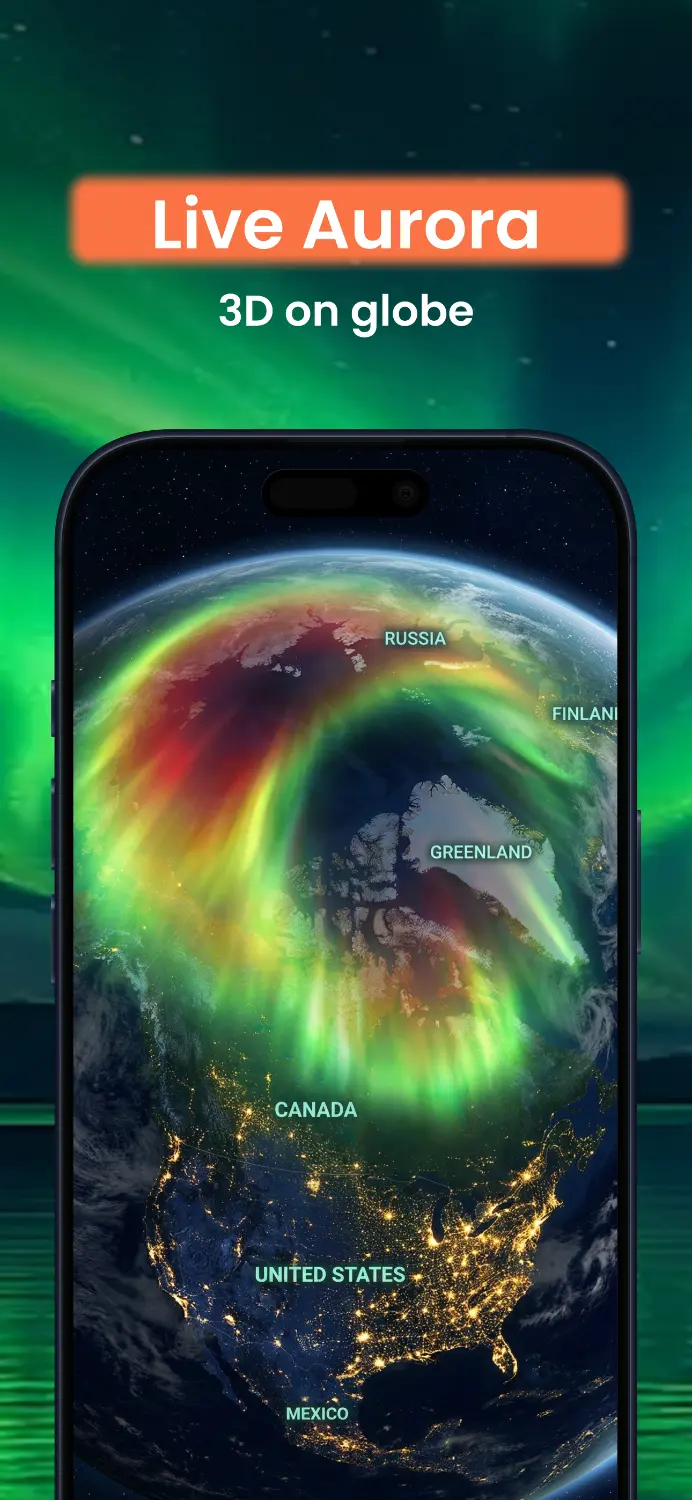
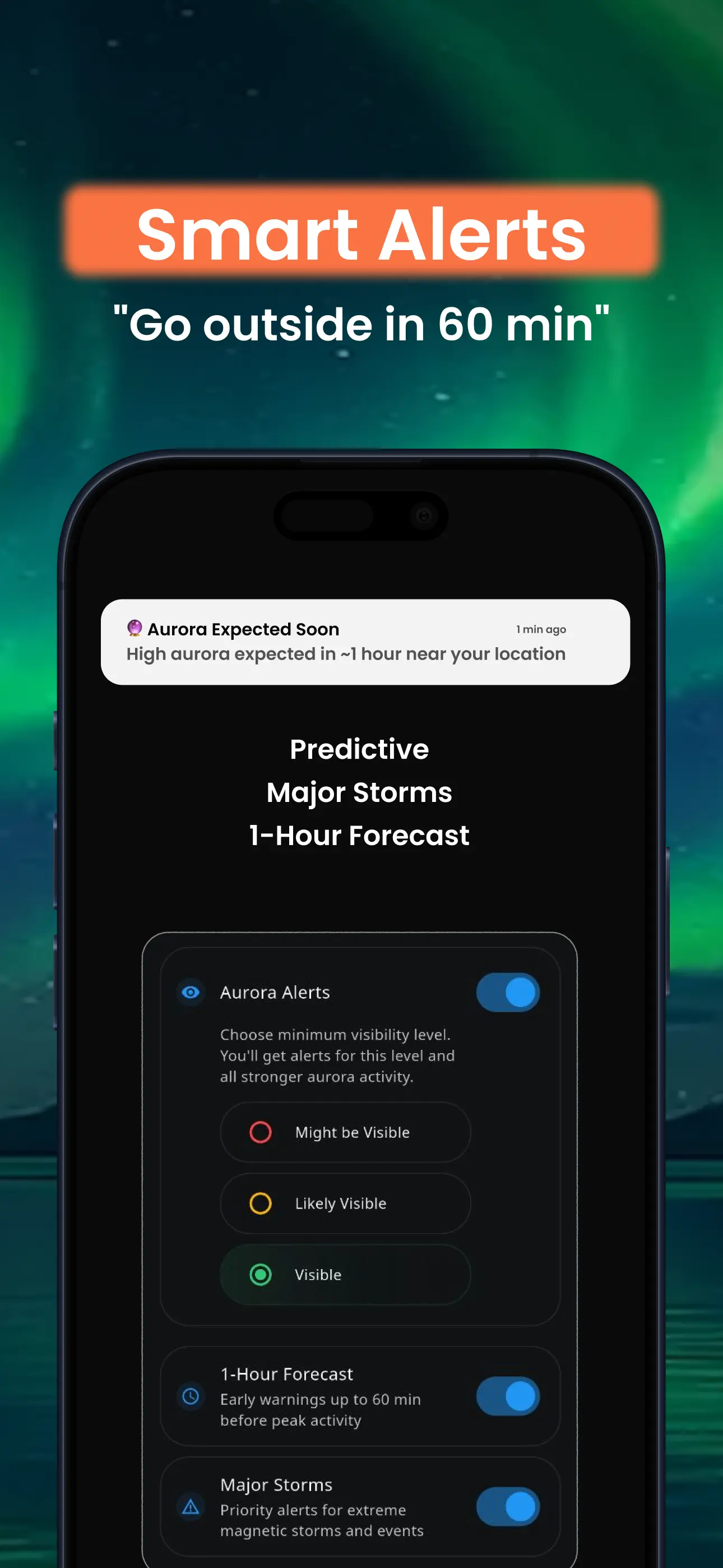
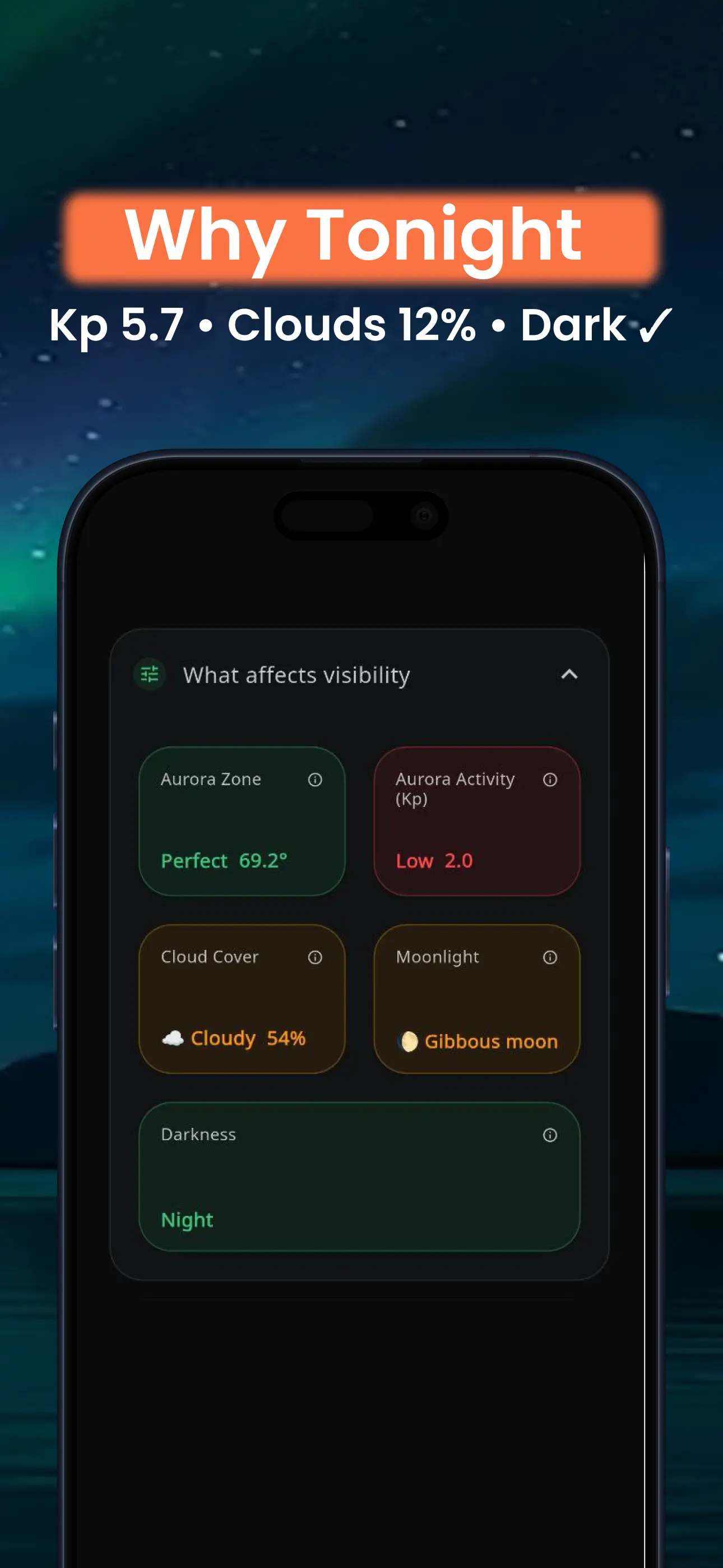
Free push alerts built on NOAA space weather data, plus the 72-hour forecast, cloud cover and darkness window for Dallas.
Northern lights in Texas are rare: they need a geomagnetic storm at Kp 9, the top of the scale, to reach this far south. AuroraMe tracks 7 locations across Texas, all at Kp 9; Dallas has the highest magnetic latitude.
Cities Covered
7
Monitoring locations across Texas
Magnetic Latitude Range
37.7°–41.2° MLAT
Prime aurora viewing latitudes
Required Kp Index
Kp 9.0–9.0
Minimum activity for visibility
Kp Requirements by Location
Dallas
41.2° MLAT
Required Kp Levels
Kp 9.0+ Horizon
Kp 9.0+ Optimal
Kp 9.0+ Bright
Kp0Kp1Kp2Kp3Kp4Kp5Kp6Kp7Kp8Kp9
Visible on horizon
Clearly visible
Bright overhead
Fort Worth
41.2° MLAT
Required Kp Levels
Kp 9.0+ Horizon
Kp 9.0+ Optimal
Kp 9.0+ Bright
Kp0Kp1Kp2Kp3Kp4Kp5Kp6Kp7Kp8Kp9
Visible on horizon
Clearly visible
Bright overhead
Arlington
41.1° MLAT
Required Kp Levels
Kp 9.0+ Horizon
Kp 9.0+ Optimal
Kp 9.0+ Bright
Kp0Kp1Kp2Kp3Kp4Kp5Kp6Kp7Kp8Kp9
Visible on horizon
Clearly visible
Bright overhead
El Paso
39.4° MLAT
Required Kp Levels
Kp 9.0+ Horizon
Kp 9.0+ Optimal
Kp 9.0+ Bright
Kp0Kp1Kp2Kp3Kp4Kp5Kp6Kp7Kp8Kp9
Visible on horizon
Clearly visible
Bright overhead
Austin
38.6° MLAT
Required Kp Levels
Kp 9.0+ Horizon
Kp 9.0+ Optimal
Kp 9.0+ Bright
Kp0Kp1Kp2Kp3Kp4Kp5Kp6Kp7Kp8Kp9
Visible on horizon
Clearly visible
Bright overhead
Houston
38.3° MLAT
Required Kp Levels
Kp 9.0+ Horizon
Kp 9.0+ Optimal
Kp 9.0+ Bright
Kp0Kp1Kp2Kp3Kp4Kp5Kp6Kp7Kp8Kp9
Visible on horizon
Clearly visible
Bright overhead
Visible on horizon
Clearly visible
Bright overhead
Aurora Status by City
Dallas
At 41.2° MLAT, aurora is an uncommon treat. Severe geomagnetic storms can occasionally push northern lights to this latitude. Set alerts for KP 9+ events.
CURRENT STATUS
Unlikely
View
Fort Worth
Rare aurora viewing at 41.2° magnetic latitude. Only major geomagnetic storms push the northern lights this far south, so it is worth monitoring during solar maximum.
CURRENT STATUS
Unlikely
View
Arlington
Rare aurora viewing at 41.1° magnetic latitude. Only major geomagnetic storms push the northern lights this far south, so it is worth monitoring during solar maximum.
CURRENT STATUS
Unlikely
View
El Paso
Rare aurora viewing at 39.4° magnetic latitude. Only major geomagnetic storms push the northern lights this far south, so it is worth monitoring during solar maximum.
CURRENT STATUS
Unlikely
View
Austin
Rare aurora viewing at 38.6° magnetic latitude. Only major geomagnetic storms (KP 9+) bring northern lights this far south. Worth monitoring during solar maximum.
CURRENT STATUS
Unlikely
View
Houston
At 38.3° MLAT, aurora is an uncommon treat. Severe geomagnetic storms can occasionally push northern lights to this latitude. Set alerts for KP 9+ events.
CURRENT STATUS
Unlikely
View
San Antonio
Rare aurora viewing at 37.7° magnetic latitude. Only major geomagnetic storms push the northern lights this far south, so it is worth monitoring during solar maximum.
CURRENT STATUS
Unlikely
View
Best Viewing Season in Texas
In a typical year no location we track in Texas records a single clear night with Kp at its threshold. Only an extreme geomagnetic storm brings aurora this far south. Kp last reached the local threshold on 2024-05-11. Figures below are for Arlington, the best-placed of the 7 locations we track in Texas. They describe a typical year built from the 1996-2026 planetary Kp record and the 2001-2020 cloud normal — not a forecast. Each city page shows tonight's live cloud, moon and darkness instead.
Geographic Advantages
Magnetic Latitude 37.7°–41.2° MLAT
Cities Covered 7 locations
Winter Darkness 11.1 h in December
Dark Sky Sites 0 Bortle 1-3
What It Would Take
Clear Nights a Year Under 1 a year
Kp Needed Kp 9+
Last Kp Threshold 2024-05-11
Oval Position (model) 3.1° above the northern horizon
Track with AuroraMe
Coverage All 7 cities
Advance Notice 30 minutes
Weather Integration Cloud cover
Predictions Best viewing times
That oval line is a model estimate of where the aurora sits at extreme Kp, not a measurement — the threshold date above comes from the Kp record itself.
Frequently Asked Questions
Can you see the northern lights in Texas?
No — not in a typical year. Texas averages under one clear night with the aurora in reach, and the planetary index has to reach Kp 9+ for it to be visible at all, which last happened on 2024-05-11. Only an extreme geomagnetic storm brings the aurora this far south, so this is a watch-the-alerts situation rather than a month to plan around.
Where are the darkest skies in Texas?
Check our city pages for specific dark sky recommendations near each location.